Family Europe Vacations, Built Around Your Kids
Coastal discoveries and mountain walks the kids will talk about for years, short travel days and enough downtime that nobody burns out. We build family trips around ages, energy levels and the pace your family actually enjoys.
This is a starting point. You decide the pace, the days and the details. We design it with you.
Who this style works for
Short travel days
Fewer moves and shorter drives, so the trip stays fun for younger travelers.
Curiosity first
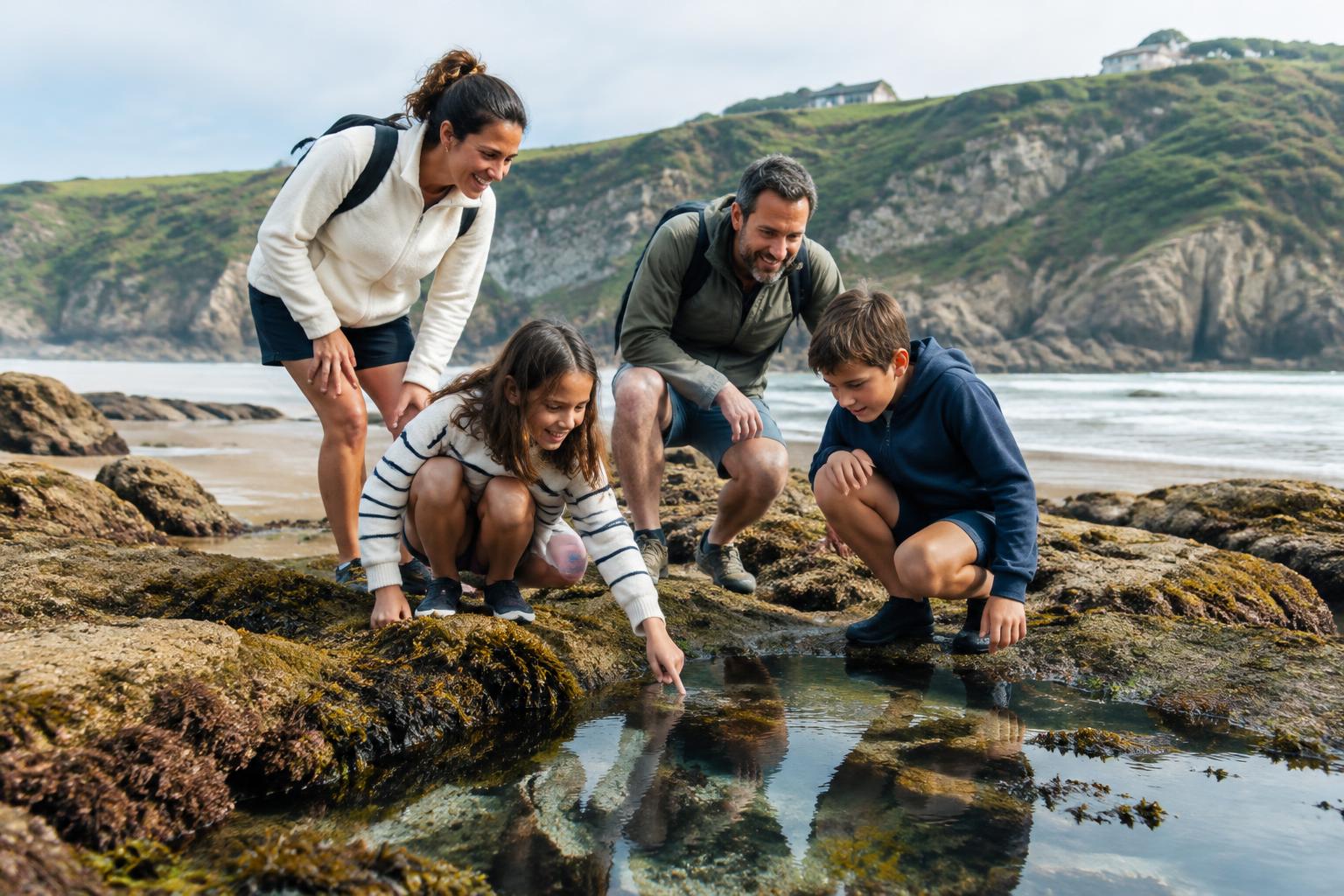
Rock pools, woodland trails and hands-on discoveries, with guides who are great with children.
Real downtime
Pool afternoons and beach days planned in on purpose, not as an afterthought.
Flexible pacing
Activities chosen so everyone from grandparents to toddlers can join in.
Who this style is really for
Family travel in Europe works beautifully when the plan respects the youngest person's energy. Ages matter more than interests here, so we start there.
Families with children aged roughly four to nine
Short walks, animals you can actually see, water in the afternoon and an early dinner. This age group does wonderfully here as long as travel days stay short.
Families with teenagers
Rafting, surfing, canyoning and night walks give teenagers something real to do, and a say in choosing them changes their whole attitude to the trip.
Multigenerational groups
Grandparents, parents and children with different stamina. The answer is usually one base, more nights and activities that split by group rather than one plan for everyone.
Families visiting Europe for the first time
You want discovery without managing every connection yourself. We choose manageable bases, check room layouts and leave time to recover after your transatlantic flight.
This may not be your style if
- You want a full-day excursion every day. Children pay for that by the third morning, and so does everyone else.
- You are hoping to cover four or five regions in a week.
- Nobody in the group tolerates heat, insects or rain. Both are part of the deal, even in the summer.
- You need a resort where children are entertained all day and nature stays outside. That exists here, but this style is not it.
How we approach this style
We design around a simple rhythm: an active morning, a flexible afternoon and one genuinely empty day for every four or five. Mornings are when wildlife is out and the heat is bearable. Afternoons belong to water, naps and nothing in particular.
We keep travel days under three hours where we possibly can, and we schedule nothing demanding on the day you move. Two shorter drives with a real stop in between beat one long push almost every time.
Activities are chosen by age and confidence rather than by what is popular. We ask about swimming ability, whether anyone is nervous about heights, and how a child handles a boat before we suggest anything.
We also plan for things going sideways. A rained-out afternoon, a stomach upset, a child who decides they hate the hike. Slack in the schedule is what turns those from disasters into anecdotes.
What we ask you before we design anything
- How old will each child be when you travel?
- How does the youngest handle heat, early mornings and long car journeys?
- Can everyone swim, and is anyone uneasy about heights or water?
- Do you want connecting rooms, a suite, or a house with a kitchen?
- Beach first or wildlife first, if you had to choose?
- Any dietary needs, allergies or mobility considerations?
- Which school holiday are you tied to, and how flexible are the dates?
Building blocks we combine
Individual pieces, chosen by age and mood on the day rather than locked into a numbered plan.
Hanging bridges and gentle woodland trails
Flat, shaded, an hour or two, and full of things to spot. Works from about four years old.
Wildlife boat trips
Sitting still on a river or through lagoons, with waterbirds, herons and birds close enough to see without binoculars.
Night walks
Frogs, insects and sleeping lizards by torchlight. Usually the thing children remember most.
Hot springs
Warm water, shallow pools and gardens to explore. An ideal end to an active day.
Surf lessons and safe swimming beaches
Chosen for gentle break and lifeguard presence, not for the best waves.
Family rafting
Class two water for younger children, class three or four for confident teenagers.
Cheese, bread and farm visits
Hands-on, tasty and short, and a good rainy-afternoon option.
Rescue and sanctuary visits
Only the genuinely ethical ones, where animals are rehabilitated rather than handled by visitors.
Canyoning, ziplines and canopy tours
Height and age minimums vary widely, so we check them against your children rather than assuming.
Regions that shine for this style
These are flexible European examples, not a route to collect. We choose around your dates, energy and realistic connections.
Basque Country
Bilbao and San Sebastián combine short outings, beaches and food that can suit different ages.
Cantabria
Coastal villages, caves and accessible nature, with rainy-day alternatives close by.
Asturias
Village stays, beaches and the Picos de Europa, with mountain routes chosen by age.
Slovenian lake country
Lake Bohinj, gentle cycling and farm visits. Water temperature and swimming access vary.
Portuguese Silver Coast
Beach time and small towns within reach of Lisbon, with Atlantic surf conditions checked carefully.
Austrian lake valleys
Easy paths, swimming lakes and mountain lifts, with operating dates checked before booking.
Honest trade-offs
The three things families almost always underestimate are transfer times, the weather and how quickly children run out of energy. These are the choices those three create.
The best wildlife
More heat, more humidity and less beach time.
Guaranteed beach weather
The summer crowds and prices, and a drier landscape inland.
Three or four regions
Several half-days in the car, and tired, fractious children by day five.
A big resort with kids' club and pools
Less contact with real Europe and a more predictable trip.
A quiet family lodge in the forest
Fewer facilities, earlier evenings and no entertainment on tap.
A house with a kitchen and space
You cook, and you lose the daily reset a hotel gives you.
Practical considerations
- Pace
- Two bases in seven nights, three in ten or more. One region for a first trip with under-fives.
- Travel days
- Under three hours where possible, with a planned stop. Nothing else scheduled that day.
- Car seats and vehicles
- Required for young children and arranged with the transfer. We size vehicles for luggage as well as people.
- Where you stay
- Connecting rooms, family suites or a villa. We check whether the pool is fenced, how far the room is from the restaurant and how loud the evenings are.
- Food
- Europen food is mild and rice-and-beans friendly, and most places will cook plainly for a child without being asked twice.
- Health and safety
- Tap water is drinkable in most of the country, no malaria risk, good private clinics in the main areas. Sun and rip currents are the real risks.
Seasonality for this style
Most families are tied to school holidays, so this is written around what each period actually delivers.
| When | What to expect |
|---|---|
| March to May | Spring brings mild days to much of southern Europe, with rain possible. Easter can be busy; high Alpine trails may remain snowbound. |
| June | Long days and warming seas, before the busiest school holidays. High mountain routes and lifts open at different dates. |
| July and August | Peak crowds and rates, especially on coasts and lakes. Southern heat calls for early outings; Alpine thunderstorms need flexible plans. |
| September and October | Often a good shoulder-season balance in the south, with harvests and fewer visitors. Rain increases and mountain services begin closing. |
| November to February | Short days, quieter cities and seasonal closures on many coasts. Alpine snow supports winter trips, not summer hiking; festive weeks can be busy. |
| March to May | Spring brings mild days to much of southern Europe, with rain possible. Easter can be busy; high Alpine trails may remain snowbound. |
How we decide how many places you visit
With children, fewer bases is almost always the better trip. Our starting rule:
| Nights | Places to stay | Why |
|---|---|---|
| 5 to 6 | One | Bohinj or the Italian coast, with day trips. Moving twice in under a week rarely pays off. |
| 7 to 9 | Two | One woodland or mountain area and one beach, three or more nights each. |
| 10 to 12 | Two or three | Room to add a mountain woodland or Piran without cutting the beach short. |
| 14 or more | Three | Enough for a remote area plus real downtime at the end, which is when families relax properly. |
We would rather remove a region than remove your afternoons.
Examples of how this has worked
Real shapes, anonymised, with no prices and no fixed routes.
A family with children aged six and nine, ten nights, wildlife first
Four nights near Bohinj brought short lakeside walks and a farm visit, followed by three nights in the Soča Valley for nature outings and three on the Slovenian coast. We checked transfer times and kept moving days free of activities.
Three generations, eight nights, beach first
A single villa on the Cantabrian coast kept all eight nights simple. Grandparents had easy mornings, teenagers could take a private surf lesson and the family shared short coastal outings and dinner. We checked beach access and bedroom stairs before booking.
Questions we are often asked
What is the best age to bring children to Europe?
From about four upwards, trips get easier every year. Under three is entirely doable if you stay in one or two places and accept that wildlife walks will be short.
Is it safe with young children?
We plan around traffic, sun, water safety and realistic walking distances. Healthcare access varies by base, so we check it when relevant and recommend suitable insurance. No destination is risk-free.
How long are the drives, honestly?
It depends on the route, traffic and stops. We compare rail and private transfers, usually aiming for family moving days under three hours where geography allows.
What wildlife might we see?
Wildlife is never guaranteed. Guided wetland walks, farm visits and mountain outings offer different possibilities; we choose around the season and the children’s patience.
Do we need to book activities in advance?
We reserve the ones with limited capacity and leave the rest open, so you can decide on the day based on the weather and how everyone feels.
Related reading
Where to go from here
Tell us your children's ages, your dates and whether beach or wildlife comes first, and we will send a first shape with the pace already built in. You can move every piece of it.
This is a starting point. You decide the pace, the days and the details. We design it with you.